


When power lines are down, members may utilize a generator to restore energy to their homes or other structures. Avoid hurting yourself and others - including linemen working to restore power - by understanding how to use your generator safety!
A generator can be a valuable piece of equipment to keep appliances working during a power outage. A permanent generator is wired into a house by a qualified electrician using a transfer switch that prevents a generator from feeding electricity back into overhead lines, which can be deadly for linemen.
A temporary generator is powered by gasoline and should not be attached to a circuit breaker, fuse or outlet. Before ever purchasing a generator, you need to know the wattage required to run the appliances you will attach to the generator. You also need to know the surge power, which is the power it takes to turn an appliance on.
Generators & Safety
With proper use and maintenance, generators provide great convenience during a power outage. Before you purchase a generator, determine your backup power needs to select the right size. Make a list of essential appliances and devices you'll want to power during an outage, then total the required wattage.
Recommended if you . . .
| . . . rarely lose power. |
Recreational Inverter Midsized Inverter |
| . . . occasionally lose power. Transfer switch required. |
Portable Generators and Large Inverters Up to 7,500 watts Weighs about 300 pounds Power: Fridge, gas furnace, 10K BTU air conditioner, dishwasher, multiple lights, TV, laptop and more Ability to connect to home's breaker panel |
| . . . frequently lose power. Transfer switch required. |
Home Standby Up to 20,000 watts Must be permanently installed; starts automatically during outage Power: Nearly all home appliances and electronics (simultaneously) Can run indefinitely on natural gas or propane Recommended if you frequently lose power. |
Safety First!
- Let us know if you purchase a generator that you plan to connect to an electric panel.
- Improperly installed generators can create back feed, which is dangerous to our crews and the community. Before using the generator, disconnect the normal source of power coming into your home/business.
- Never operate a generator indoors or in an enclosed space.
- Safety requirements may differ based on the type of generator you purchase. Thoroughly read the operator's manual and know how to shut off the generator quickly.
Source: Consumer Reports.
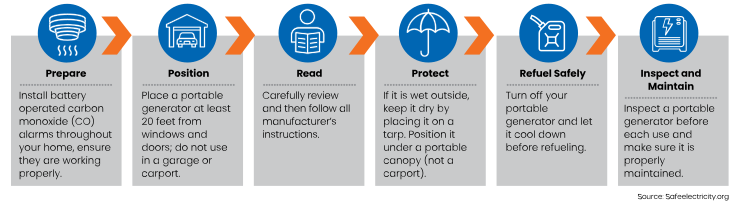
Think Safety When Operating a Generator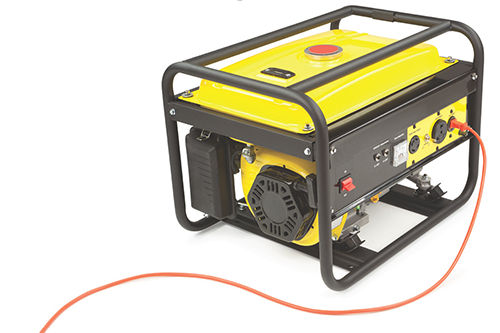
Once you have purchased the proper generator, follow these tips from Safe Electricity to properly operate your generator.
- Read and follow all manufacturer operating instructions to properly ground the generator. Be sure you understand them before hooking up the generator.
- Never operate a generator in a confined area, such as a garage. Generators can produce numerous gases, including toxic and deadly carbon monoxide. They require proper ventilation.
- Generators pose electric risks especially when operated in wet conditions. Use a generator by operating it under an open, canopy-like structure on a dry surface where water cannot form puddles or drain under it. Always ensure that your hands are dry before touching the generator.
- When you refuel the generator, make sure the engine is cool to prevent a fire, should the tank overflow.
- There should be nothing plugged into the generator when you turn it on. This prevents a surge from damaging your generator or appliances.
- Be sure to keep children and pets away from the generator, which could burn them.
- Shut down the generator properly. Before shutting down a generator, turn off and unplug all appliances and equipment being powered by the generator.
- Remember maintenance between uses. It is also a good idea to inspect the fuel and oil filters, spark plug, oil level and fuel quality and to start the generator on a regular basis before an emergency situation occurs.
Learn more at SafeElectricity.org